Historical origins
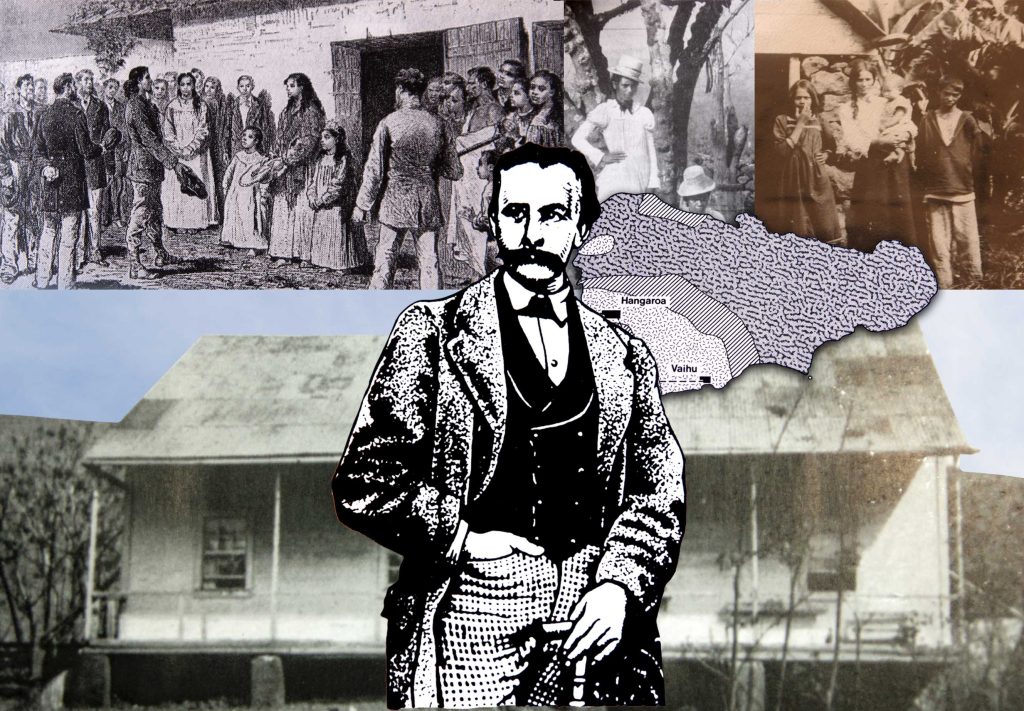
The first populations that inhabited the island were divided into tribes.Subsequently, a small kingdom was formed whose ruler was the same French colonizer, Jean-Baptiste Dutrou-Bornier who drove out the indigenous population from his villages and then transformed the rest of the island into a huge pasture for sheep and cows. However, following the inhuman conditions to which the indigenous population was subjected, in 1876 there was a revolt in which Bornier was killed. Starting from the 18th century, the Spaniards landed on the island and attempted to annex it to Chile.
Annexation of the island to Chile
On September 9, 1888, Easter Island was annexed by Chile because the Chilean government deemed the island to be of strategic importance to Chile. During the First World War the island was the site of very violent clashes between the indigenous population and the Chilean population of the island, who had rebelled to regain possession of the island. Easter Island remained under direct control by the Chilean army until 1967.
First democratic structures
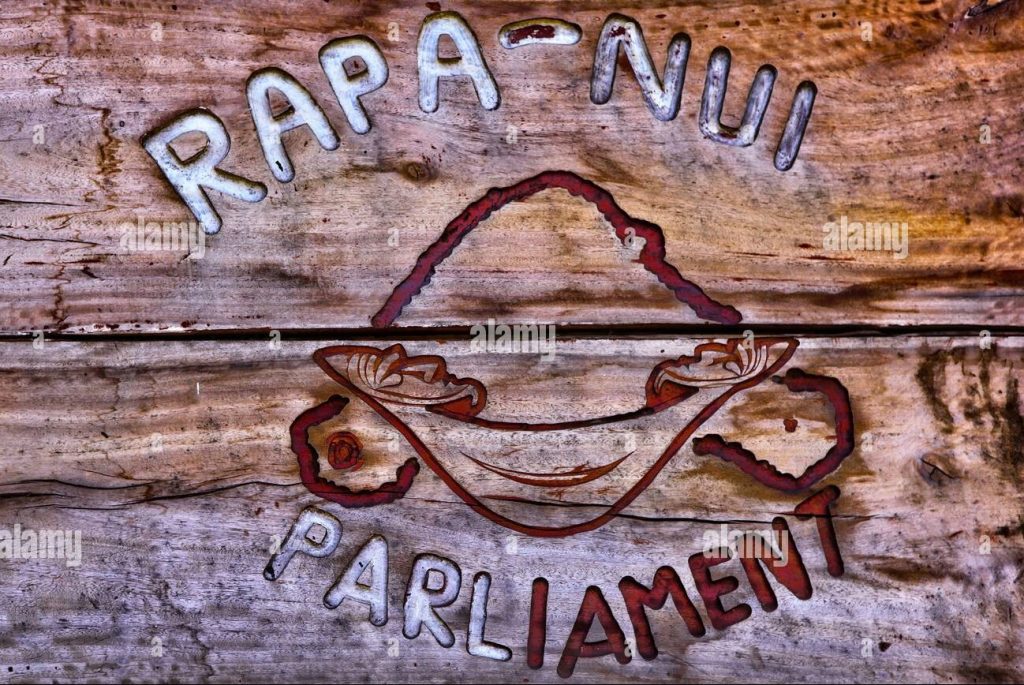
The formation of the first independent democratic structures would not be permitted before the end of the 1960s. In 2001, the Parliament of Rapa Nui was born, a political and cultural organization created by the will of the indigenous population of the island with the aim of revising the annexation treaty of 1888 and regulating the influx of Chilean immigrants from the continent. In 2007 a constitutional reform took place which recognized the island as having a “special status“, the island became both a municipality and a province with the consequent election of political offices but the autonomy still remained very limited and this did not satisfy the Rapanui people.
The independence of the island: contrasts
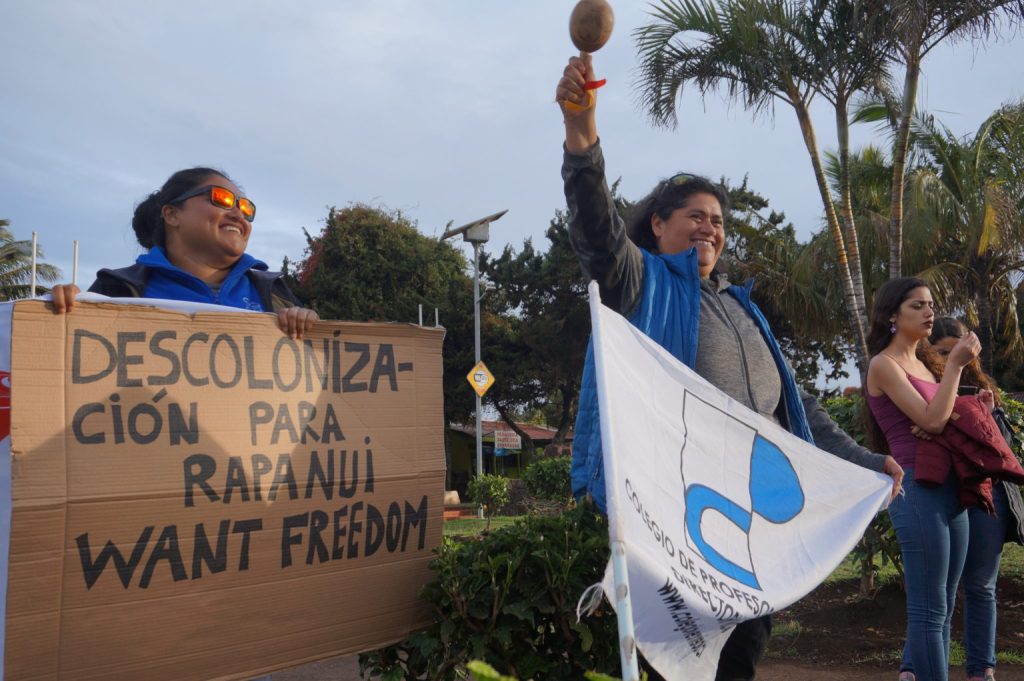
The Rapanui population believes that the time has come to regain their land, to recover their traditions, to speak their language and manage their territory.
In August 2010 some members of the indigenous clan claimed ownership of the occupied land in clashes with the Chilean police.
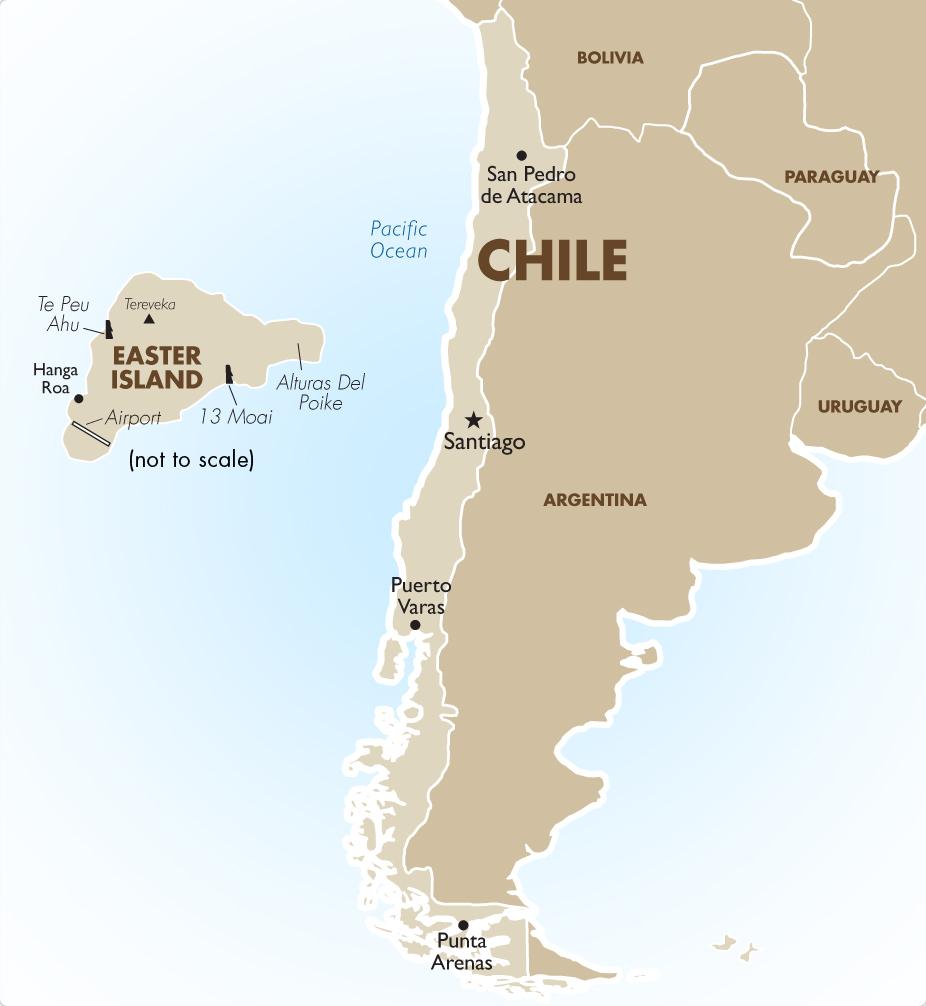
According to the Parliament of Rapa Nui, Chile refuses to recognize some indisputable facts: first of all, that the island is more than 4000 km away from the Chilean state and, secondly, that the recognized special legal status no longer responds to the needs of the territory and of the local population.
Independence, however, does not seem close. It seems difficult to let go of the center of the world, which everyone judges to be distant from everything else.