Flora
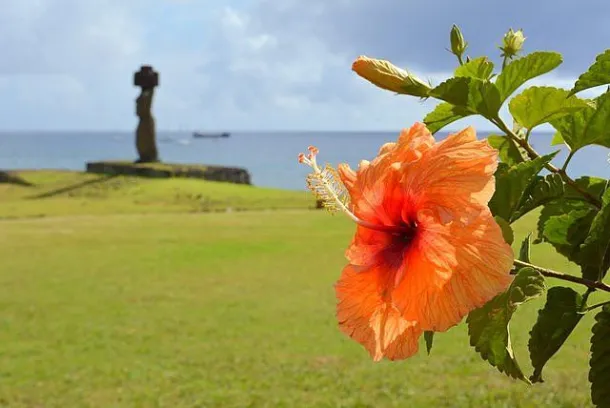
With only 48 native plant species, Easter Island is one of the poorest islands in plant species in the entire South Pacific area. It is believed, therefore, that most of the plants currently present on Easter Island were imported by man.
Typical vegetation
Research has shown that the island was covered until a few centuries ago by dense vegetation composed of different species of tall plants, including a giant palm, probably the largest in the world, reaching a trunk diameter of two meters , and other similar species, including Alphitonia, Elaeocarpus. There are fifteen species of ferns on the island, to which are added some eucalyptus plants (of Australian origin) in the southern area of the island. However, the strong wind that blows almost all year round on the island makes it impossible to grow plants and has therefore made it necessary to create botanical gardens.
Fauna
Like the flora, the island’s fauna has also been significantly affected by the presence of humans and its isolated location. According to research conducted, Easter Island before human colonization was inhabited by at least 25 species of seabirds and 6 species of land birds. However, no terrestrial species has survived extinction.
Terrestrial fauna
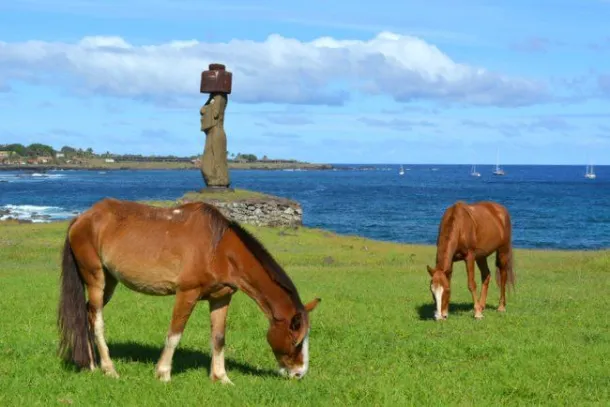
The mammals that live on the island such as horses, sheep, cows and pigs were all imported by men, as was also the case with rats, imported at various stages of the island’s history. As regards the class of reptiles, the island is inhabited by the lizard Cryptoblepharus poecilopleurus, commonly called “moco” on the island.
Marine life
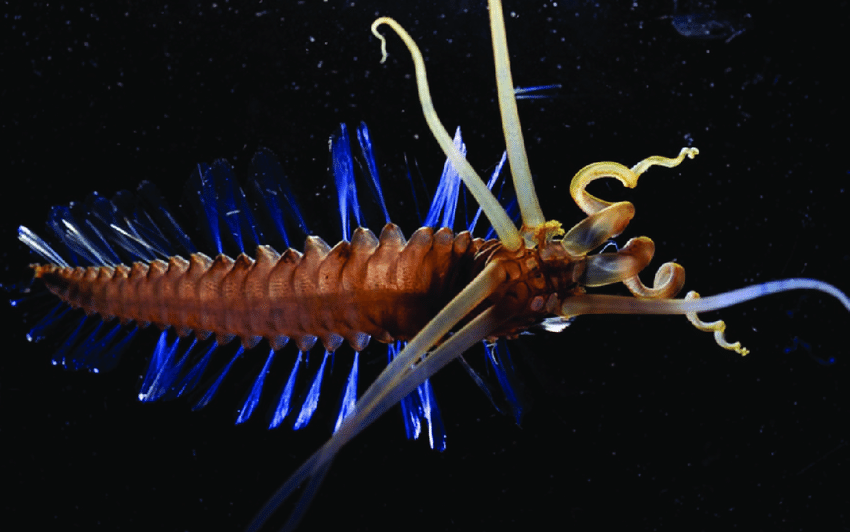
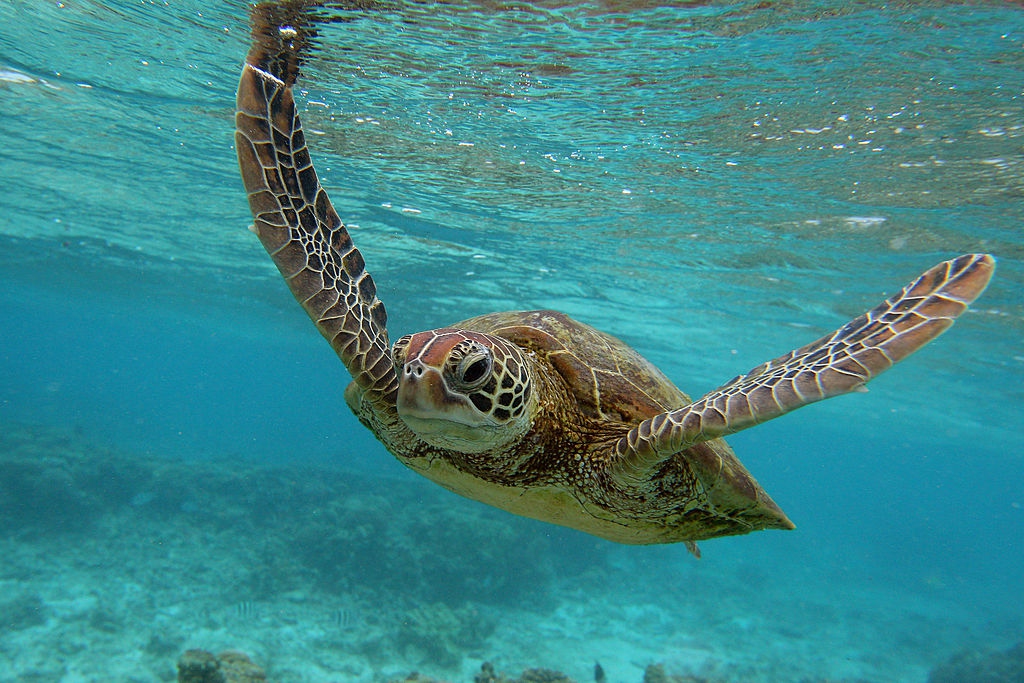
The marine fauna is not tropical and is therefore relatively poor. The waters around the island are said to be populated by around 104 species of fish, while large schools of sperm whales live offshore. Also in the vicinity of some underwater springs, a group of marine biologists discovered a new species of crustacean in 2005, called Kiwa hirsuta.