The first settlements: different interpretations
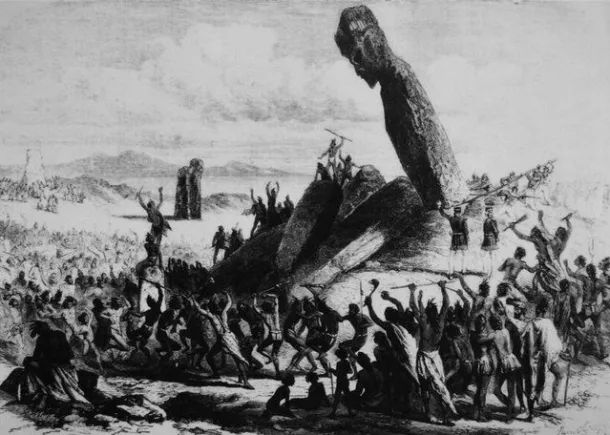
There are different interpretations of the origins of the first settlements on Easter Island. Difficulties in interpreting the archaeological finds found, the modification of the flora, the isolation of the island make it extremely difficult to date and reconstruct the history of the civilization that settled in this land.
South America
A first interpretation, which spread around the 1950s, indicated South America as the original place of these populations. In the following decades, however, new studies explained the origins of the first settlements in a different way.

Population of Polynesian origin

Among the most accredited interpretations are those based on the study of the DNA of the skeletons found on the island. Based on this research, it was possible to argue that the first settlement on Easter Island occurred by a population of Polynesian origin. The first inhabitants of Easter Island would therefore belong to the Polynesian lineage.
Hotu-Matua: first colonizer of Easter Island
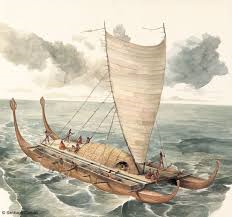
This emigration occurred starting from the movement and settlement on the island of populations from the Marquesas Islands, located in the eastern Pacific Ocean, led by a legendary ruler known by the name of Hotu-Matua. This group of people arrived on Easter Island by sailing across the ocean in canoe-like boats, eager to conquer new lands to inhabit and colonize. Chronologically placing the arrival of this population on the island is certainly very difficult. Among the main hypotheses is the one that identifies the arrival of the Polynesians on this remote and fascinating island in the period between the tenth and thirteenth centuries. Other interpretations place the arrival of the Polynesians on the island in the eighth century. What is certain is that for several centuries the population of Easter Island remained completely isolated.
The arrival of the European colonizers
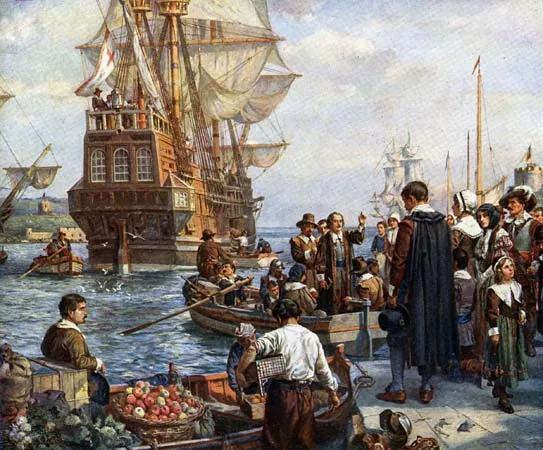
The island was first sighted by a Dutch explorer Jacob Roggeveen. He landed on this island on Easter Sunday which, in the year 1722, fell on Sunday 5 April. The name given to this island derives from this circumstance. The Dutch explorers who landed on this land after having crossed the Pacific Ocean with three ships decided to give a name that recalled the religious holiday to this land where no one, apart from the indigenous people, had ever arrived. After the discovery made by the Dutch navigator, repeated explorations began by the fleets of the European countries that competed for the island: there were many Spanish, English and French colonizers, who on the one hand produced numerous maps and studies useful for understanding the flora and fauna of the territory and on the other contributed to the decline of the indigenous population of Rapa Nui.